

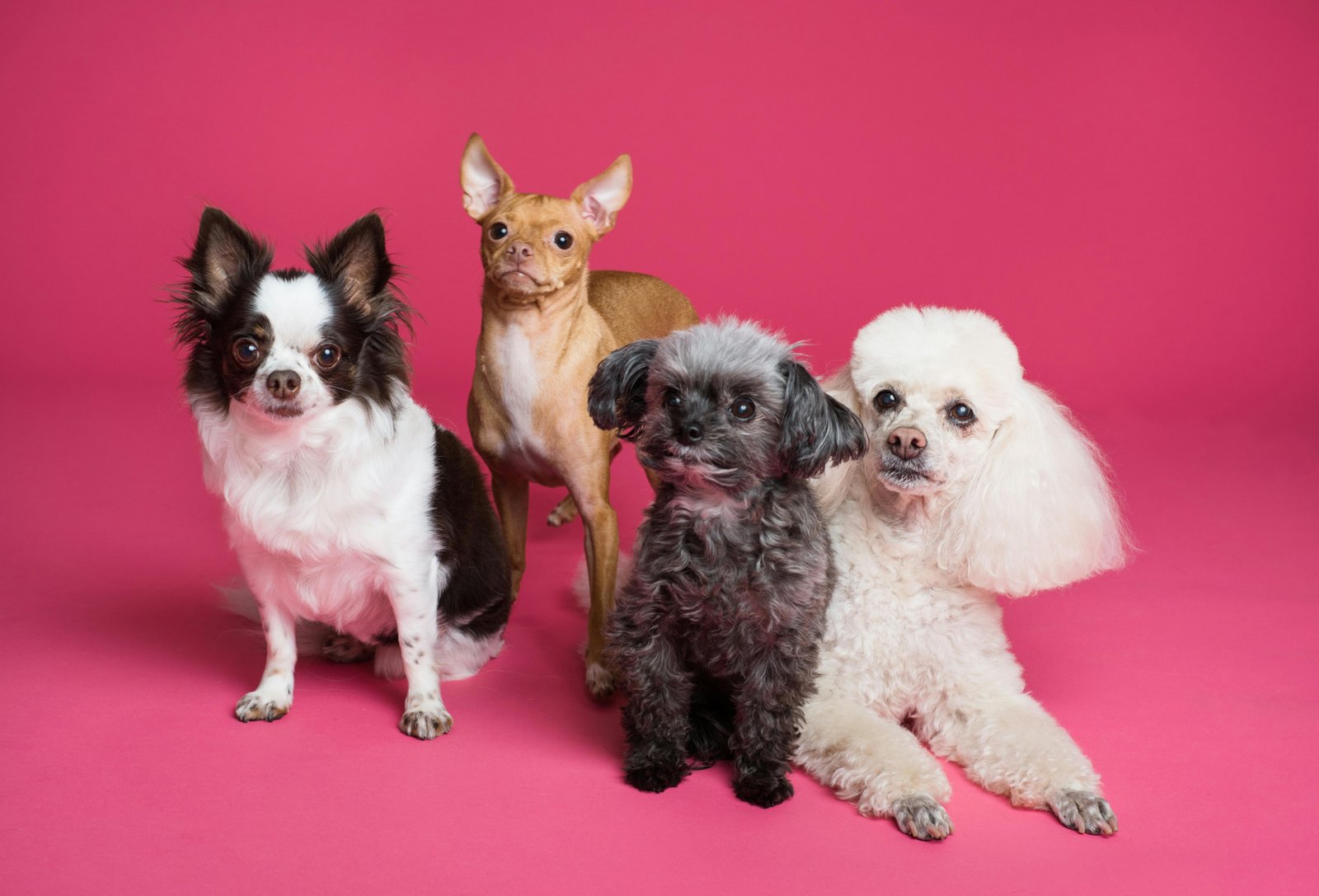
Bringing a puppy home is chaotic, wonderful, and slightly terrifying often all at once. One minute they’re out cold, twitching in their sleep, and the next they’ve discovered your favourite shoes. But here’s the thing: none of it is random. Puppies follow a surprisingly predictable developmental path, and once you understand it, a lot of the confusion starts to make sense.
The Five Stages
Vets and animal behaviourists broadly agree on five key windows in a puppy’s first year:
- Weeks 0–2 (Neonatal) — Blind, deaf, and completely dependent on mum
- Weeks 2–4 (Transitional) — Eyes and ears open; first wobbly steps; trying solid food
- Weeks 3–12 (Socialisation) — The single most important period for shaping who your dog becomes
- Weeks 8–6 months (Juvenile) — Rapid growth, curious about everything, ready to start learning
- 6–18 months (Adolescence) — Hormones, selective hearing, and testing every boundary you’ve set
The Early Weeks: Pure Survival Mode
A newborn puppy can’t see, can’t hear, and can’t regulate its own body temperature. It finds its mother entirely by smell and touch, and that’s basically all it does for the first two weeks feed, sleep, and stay warm.
Then, right around day ten to fourteen, things start shifting. The eyes crack open (the world looks blurry and bluish at first), the ears unseal, and suddenly there’s a whole lot of noise and light to process. The first attempts at walking look more like controlled falling, but the puppy is now actually experiencing the world rather than just surviving in it.
Weeks 3–12: Don’t Waste This Window
If you ask a dog behaviourist which stage matters most, they’ll tell you it’s the socialisation period and they’ll say it emphatically. Between roughly three and twelve weeks, a puppy’s brain is almost uniquely receptive to new information. Whatever it encounters during this time gets filed under “normal” or “scary,” and those categories tend to stick.
Puppies who meet lots of different people, hear a variety of sounds, walk on different surfaces, and have calm, positive interactions with other animals during this window generally grow into relaxed, adaptable dogs. Puppies who are kept isolated, or who have frightening experiences, are far more likely to develop anxiety or fear-based reactivity later on — even if you do everything right afterwards.
This is why good breeders don’t just keep puppies fed and clean they play different music, let them walk on grass and tile and gravel, and introduce them to friendly strangers. It sounds almost too simple to matter, but the science is clear: these early experiences quite literally shape how the brain is wired.
Weeks 8–6 Months: Time to Start Teaching
This is usually when a puppy comes home, and it’s a genuinely great time to start training not because puppies are perfectly focused (they absolutely are not), but because they’re curious, motivated by food, and forming habits quickly.
The trick is keeping sessions short. Five to ten minutes, a couple of times a day, is plenty. Always end while things are still going well. Basics like sit, stay, come, and walking on a lead should all be introduced now, gently and with good treats small, soft, and a bit smelly tends to work best.
A few things worth doing during this stage:
- Get them used to being handled — paws, ears, mouth — before it becomes a battle
- Start crate training as a cosy retreat, not a timeout spot
- Let them play freely and explore; it builds confidence and problem-solving ability
- Introduce new things gradually, and always at a pace that keeps them comfortable
6–18 Months: Welcome to the Teenage Years
This is the part no one really warns you about. Around six months, hormones kick in, and the well-trained puppy you thought you had may seem to disappear entirely. Commands they knew perfectly suddenly don’t register. They get distracted, pushy, or inexplicably spooked by things that never bothered them before.
It’s frustrating but it’s also completely normal. The adolescent brain is being rewired, and independence is suddenly the priority. Larger breeds go through this for longer some won’t fully settle until they’re two or three years old.
The approach that works is less glamorous than most people hope: patience, consistency, and sticking to the same boundaries you set before. Keep training going, make sure they’re getting enough exercise, and give them things to think about puzzle feeders, sniff walks, new environments. Punishment tends to backfire badly at this stage. Structure, routine, and positive reinforcement are what actually get you through it.
The puppy phase is genuinely a lot. But understanding why they behave the way they do at each stage makes it far less overwhelming and a lot more interesting.
For more information stay tuned with our Indian puppy breeds.